Gluttony or Something Else? Understanding Your Eating Behaviors Through a Biblical Lens
Is Overeating a Sin? What the Bible Really Says About Gluttony and Food Freedom
Is Gluttony Really Your Problem… or Has the Church Been Talking About It Wrong?
Have you ever sat in a church pew, heard the word gluttony, and immediately felt your stomach drop because you thought, “Welp… that’s me. I ate past fullness last night. Guess I’m doomed.”
Friend… take a deep breath.
This episode (and this blog post) might just be the most freedom-infusing, shame-breaking conversation you’ve ever heard about gluttony, overeating, and your relationship with food.
And yes, it’s a little controversial.
And yes, it’s also deeply biblical.
And yes, we’re going there. Because you deserve truth and freedom, not fear and confusion.
So grab your iced coffee (or your reheated-for-the-third-time coffee if you’re a mama), pull up a cozy chair, and let’s dive into what Scripture really says about gluttony and why what you’ve been taught may have been unintentionally harmful.

What If You’ve Been Taught the Wrong Definition of Gluttony?
Here’s the deal:
Most women I work with, especially Christian women who love Jesus and want to honor Him, have been told some version of:
“If you overeat…
If you eat past fullness…
If you like food a little too much…
You’re struggling with gluttony.”
Whaaaat?! No wonder so many women feel ashamed about their hunger, their appetite, and their relationship with food.
But this belief is one of the biggest contributors to the anxiety-ridden, guilt-soaked food relationship so many Christian women battle today.
Let me introduce you to a former client we’ll call Sharon. Her story is one I hear again and again, and her experience reveals exactly why understanding the true meaning of gluttony matters so much.
Sharon’s Story: How Misunderstanding Gluttony Fueled a Lifetime of Food Shame
Sharon started binge eating in elementary school.
She grew up hearing comments about her body… being put on strict food rules… and constantly being told which foods were “good,” “bad,” or “off-limits.”
Sound familiar already?
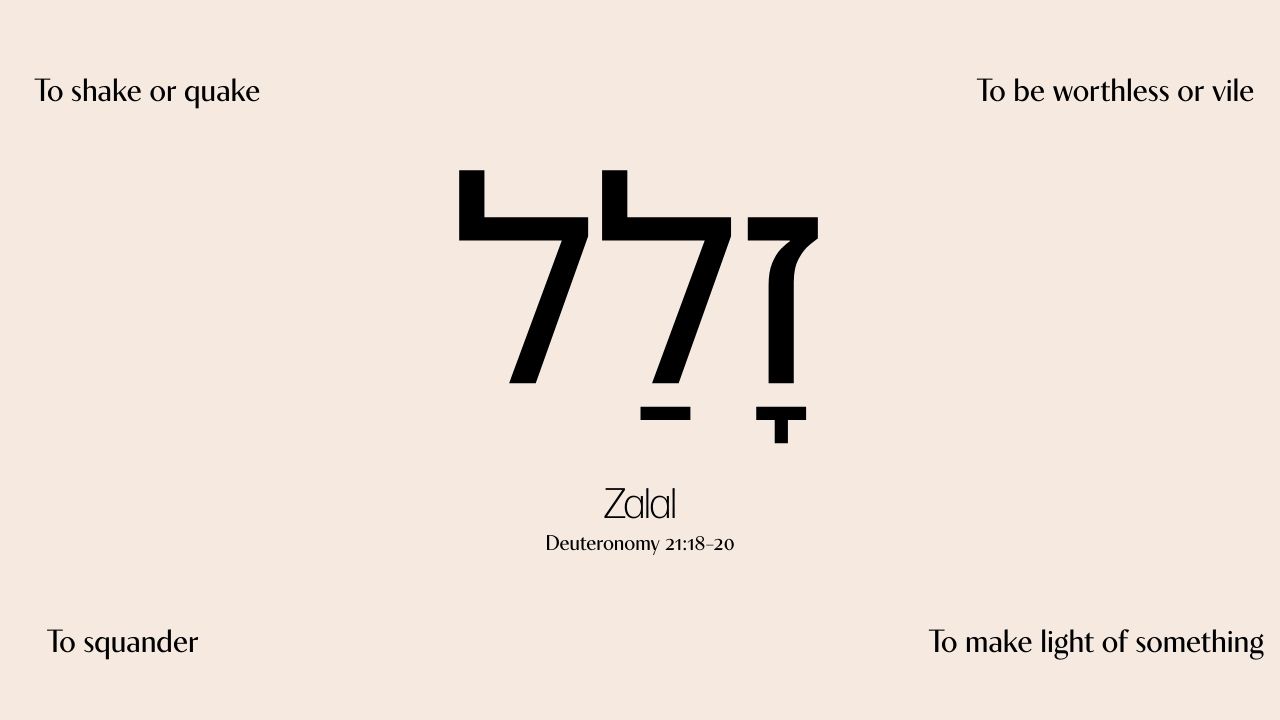
Because of all the shame and restriction surrounding food, she ended up stuck in cycles of:
- Restricting
- Sneaking food
- Feeling out of control
- Binge eating
- Trying to “fix it” with more rules
- And then starting the cycle all over again
As an adult, when her body changed because of these extreme patterns, people complimented her shrinking size.
And those compliments didn’t help her.
They reinforced her belief that her worth was tied to her weight, which made her restrict even harder.
Eventually, it became too much.
Her physical health declined.
Her mental health tanked.
Her fear of judgment kept her from doctor’s visits.
Her relationships suffered.
She isolated herself.
She believed she was failing spiritually because she assumed she was “just being gluttonous.”
💔 But here’s the real truth:
Sharon wasn’t struggling with gluttony.
She was struggling with restriction, shame, trauma, and a disordered relationship with food.
Once she learned what gluttony actually means in Scripture (and once she began healing the factors driving her eating behaviors) everything changed.
And it can change for you, too.
What Scripture Actually Says About Gluttony (Spoiler: It’s Not About the Size of Your Meal)
Okay, Bible nerd moment. (You know I love a good original-language deep dive! 🙋♀️)
If you grew up in church, you may have been warned about “gluttony” dozens of times.
But did anyone ever teach you what the Hebrew word actually means?
Because… um… it’s not “one who eats too much.”
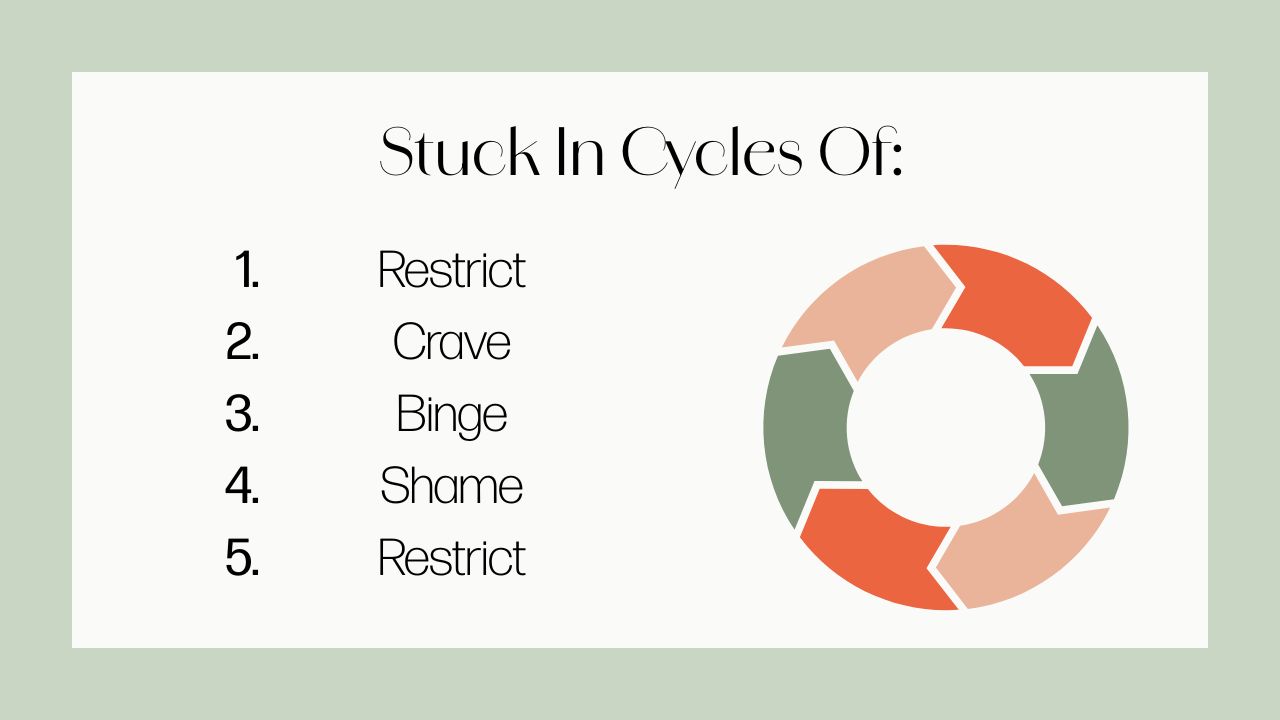
Let’s look at the first place we see the word used — in Deuteronomy 21:18–20. The Hebrew word for “glutton” here is: Zalal
Meaning:
- To shake or quake
- To be worthless or vile
- To squander
- To make light of something
Notice what’s missing?
👉 ANY reference to food.
Gluttony, biblically, is a heart posture, not a plate measurement.
It’s about:
- Squandering what God has given
- Idolizing something over Him
- Living in a way that dishonors Him
Food can be used in gluttonous ways, sure.
But the act of eating a large quantity of food, or even binge eating is not automatically the sin of gluttony.
This is so important to understand, because most women I work with assume their eating struggles are moral failures, when spiritually, emotionally, and physiologically, they’re often dealing with something completely different.
So If It’s Not Gluttony… Why DO You Feel Out of Control Around Food?
Great question.
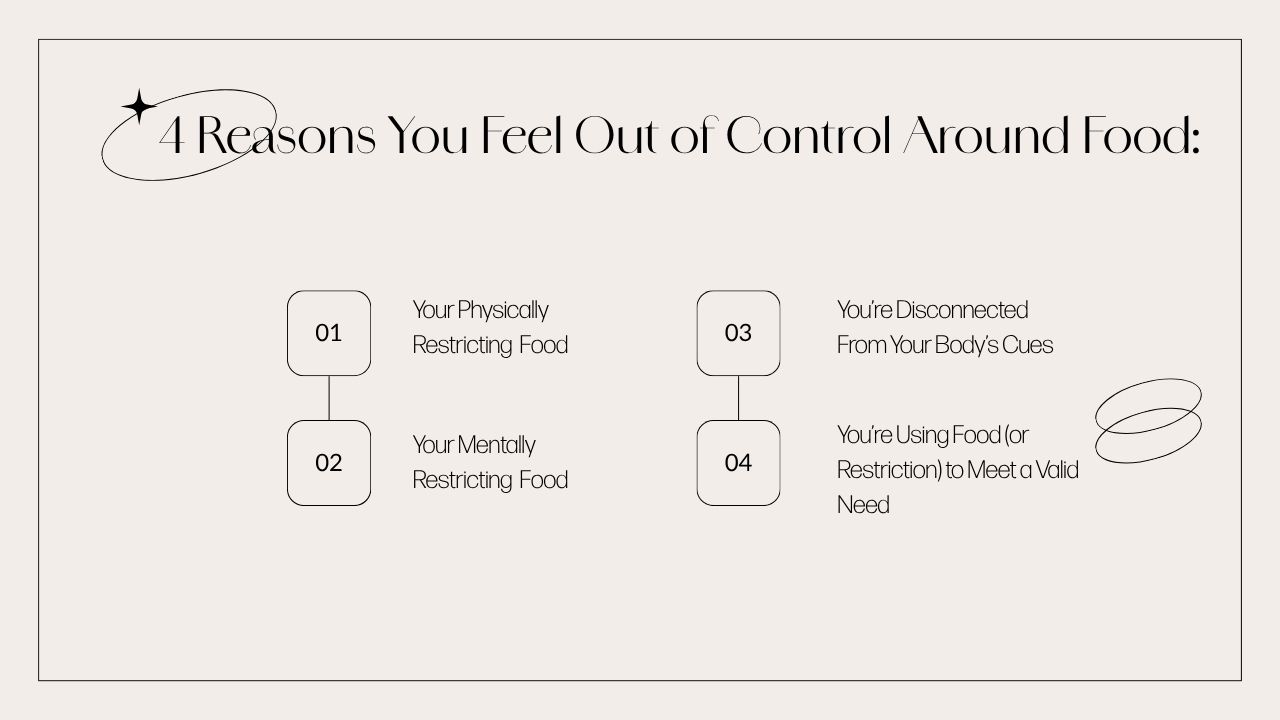
And this is where we break it down into the four big reasons I see again and again in my clients.
1. You’re Physically Restricting Food
(Hello, primal hunger 👋)
If you’re skipping meals…
Eating tiny portions…
Or avoiding food groups for non-medical reasons…
Your body is going to fight for survival. It’s wired to do that.
So when you finally do eat:
- You’ll eat fast.
- You’ll eat a lot.
- You’ll feel panicky around food.
- You’ll think something is wrong with your self-control…
But what’s actually happening is biology, not gluttony.
2. You’re Mentally Restricting Food
Chick-fil-A on Sundays, anyone? 😂
When you label foods as “bad,” “off-limits,” or “only allowed if ___,” you create a psychological urgency around them.
This makes those foods feel:
- More tempting
- More exciting
- And more “unsafe” to be around
Just thinking “I shouldn’t have this” can trigger the same reaction as actually restricting it physically.
3. You’re Disconnected From Your Body’s Cues
Maybe you’ve dieted for so long you don’t know what hunger feels like. Or fullness. Or satisfaction.
That’s not a moral failure. That’s neurobiology and conditioning.
The good news is, those cues can be repaired.
4. You’re Using Food (or Restriction) to Meet a Valid Need
This is where compassion and curiosity come in.
Are you:
- Eating to numb?
- Restricting to feel in control?
- Bingeing to escape stress?
- Avoiding food to feel spiritually “disciplined”?
Every behavior (even unwanted ones) is trying to meet a real need.
And your needs are valid. And they can be met in healthier, Spirit-led ways.
So… Is Overeating a Sin?
Let’s just rip the Band-Aid off.
Not necessarily.
Eating past fullness does not automatically equal sin.
Binge eating does not automatically equal sin.
Struggling with food does not make you spiritually weak.
Sin is about the heart posture, not the plate.
And if your heart is:
- Exhausted
- Ashamed
- Malnourished
- Triggered
- Restrained
- Or trying to survive
…that’s NOT gluttony.
That’s a signal that something deeper needs care, compassion, and support.
How Sharon Broke Free, And How You Can Too
After learning what Scripture truly teaches…
After identifying the real causes behind her eating patterns…
After seeking Christ-centered support…
Sharon finally found freedom.
She said something on one of our calls that I will never forget: “I truly believed I would spend the rest of my life thinking about my body. And now I don’t. It’s not loud anymore.”
Imagine that.
Imagine waking up and NOT obsessing about your body.
Imagine thinking about your life more than your plate.
Imagine eating being… normal. Joyful. Peaceful.
That’s what’s possible for you, too.
Your Takeaways: What You Learned About Gluttony + Food Freedom
Here’s our rapid-fire recap:
✔ Gluttony ≠ overeating
It’s about heart posture, not portion size.
✔ Eating “a lot” doesn’t make you sinful
It may mean you’re restricted, disconnected, or meeting a need.
✔ Food struggles often come from physical, mental, or emotional deprivation
Not moral failure.
✔ You CAN rebuild a joyful, Christ-centered relationship with food
And it starts with understanding what’s actually going on under the surface.
Next Steps to Start Healing Your Relationship With Food
Because reading is great, BUT transformation needs action.
Here’s what to do next:
1. Download the FREE Needs Assessment
This simple checklist-style quiz will help you uncover which unmet needs may be driving your eating patterns.
👉 https://www.brittanybraswellrd.com/needs
Take it.
Read your results.
Pray through them.
Ask the Lord to show you what’s true and what your next step should be.
2. Join Our Free Facebook Community
If you want a safe, Jesus-centered space to ask questions, get support, and learn from a Registered Dietitian & Eating Disorder Specialist — join us!
community.brittanybraswellrd.com
3. Listen to the Full Episode on the Faith-Filled Food Freedom Podcast
If you haven’t yet, go listen to Episode 189 for the full conversation, then subscribe so you never miss another episode.
Subscribe so you don’t miss future episodes that unpack Scripture, science, mental health, gentle nutrition, and Christ-centered food freedom.
4. If You’re Ready for Deep, Supported, Life-Changing Transformation…
Join us inside The Joy-Filled Eater Course — where I walk you step-by-step through healing your relationship with food and your body in a biblical, evidence-based way.
Stay in touch by subscribing to my personal newsletter, The Full Plate Press
Join over 1000 others and get access to my weekly newsletter with a personal story, BTS sneak peaks, food freedom tips & strategies, riduculous memes, and BONUS goodies from me!
I'm Brittany!

Brittany Braswell, MS, RDN, LD
Host of Faith-Filled Food Freedom & Creator of The Intern Accelerator
I'm here to help Christian women around the world overcome negative body image and an anxiety-ridden relationship with food so they can finally stop stressing and obsessing over how they look and what they eat.