Why You Keep Overeating at Night (And Why It’s Probably Not a Willpower Problem)

You know the moment.
You stand in the pantry after dinner telling yourself you’re “just going to grab one little thing.” And then suddenly you’re elbow-deep in the snack drawer eating handfuls of crackers, a couple cookies, maybe finishing your kids’ goldfish because well…they were already open anyway.
And afterward?
- Cue the guilt
- Cue the shame spiral
- Cue the promises to “be better tomorrow.”
So the next morning, you skip breakfast to “make up for it.”
Maybe you drink coffee instead of eating lunch.
Maybe you try to “be good” all day long.
And then nighttime rolls around again and…Whaaaat?! It happens all over again
Friend, let me tell you something lovingly
You may not actually have an overeating problem
You may have a restriction problem
Oy vey. I know. That truth can feel wildly uncomfortable to hear in a culture that constantly tells women the answer is more control, more discipline, and less food. But if you’ve been stuck in a cycle of restricting all day and overeating at night, there’s a very good chance your body isn’t betraying you
It’s trying to protect you
And today we’re going to unpack exactly why that happens, what your body is actually trying to communicate, and how you can begin breaking free from the restrict-binge cycle with a more gentle, Christ-centered approach to food freedom
The Restrict-Binge Cycle: Why Nighttime Overeating Often Starts Earlier in the Day
One of the biggest misconceptions I hear from women struggling with food is this:
“I just need more self-control.”
But friend? Your body is not a machine. It was beautifully designed by God to keep you alive. And when your body senses deprivation — whether intentional or unintentional — it’s going to respond accordingly.
Think about holding your breath underwater
At first, it might feel manageable. Maybe even easy...
But eventually? Your lungs start burning. Your chest tightens. Your brain becomes laser-focused on one thing:
Breathing.
And when you finally come up for air, you don’t gently sip oxygen like you’re at a wine tasting. 😂 You gasp for it
Why?
Because your body is biologically wired to protect you
Food restriction works in a very similar way
When you under-fuel your body throughout the day, your brain and body eventually push back with stronger hunger signals, increased cravings, food preoccupation, and often…overeating later at night
Not because you’re weak.
Not because you lack discipline.
Not because you “can’t be trusted around food.”
Because your body is doing its job
Signs You May Be Under-Eating During the Day
Here’s the sneaky thing about restriction: it doesn’t always look obvious
Sometimes women assume restriction only counts if they’re actively dieting or skipping entire meals. But restriction can show up in subtle ways too
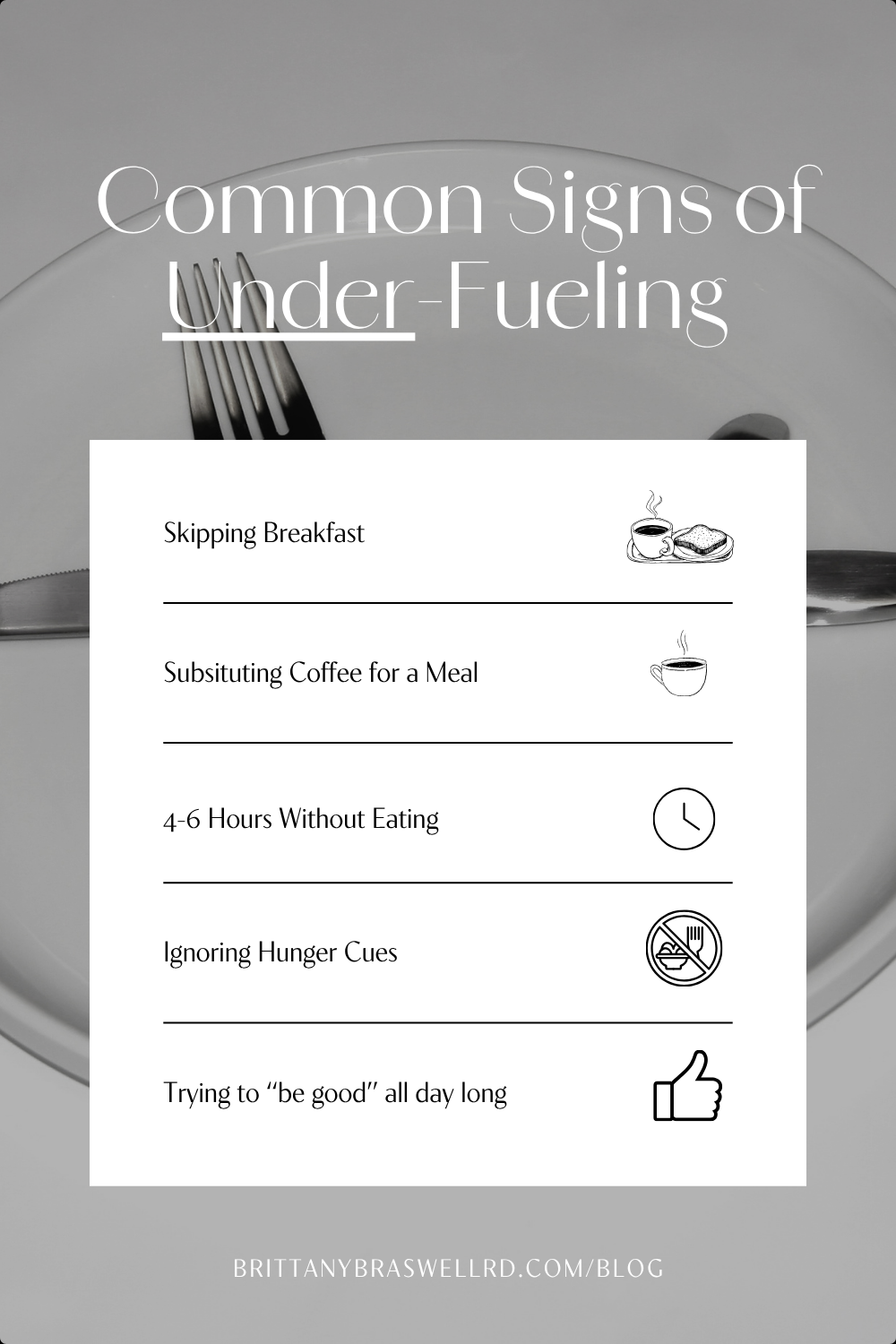
Common Signs of Under-Fueling
- Skipping breakfast because you’re “not hungry”
- Drinking coffee instead of eating
- Eating tiny lunches to “save calories”
- Avoiding carbs or entire food groups
- Going 4-6+ hours without eating
- Ignoring hunger cues because you’re busy
- Trying to “be good” all day long
- Mentally restricting foods you actually want
And then later?
Your body says:
“Cool cool cool…so we’re surviving a famine apparently. Let’s fix that.”
Cue the nighttime eating.
Why You Crave More Food at Night After Restricting All Day
Let’s talk physiology for a second. (Don’t worry, I’ll keep the dietitian nerdiness to a minimum here. 😉)
When you go long stretches without adequate nourishment, several things happen:
Your Hunger Hormones Increase
Your body ramps up hunger signals to encourage you to eat.
Again — not failure. Biology.
Your Brain Becomes Hyper-Focused on Food
Ever notice how food thoughts get louder when you’re trying to eat less?
That “food noise” so many women experience is often your body waving a giant metaphorical flag saying:
“Hey bestie. We need energy over here.”
Blood Sugar Drops Increase Cravings
When blood sugar dips too low, your body naturally seeks quick, easily digestible energy.
Which is why nighttime cravings often center around:
- Chips
- Bread
- Cookies
- Crackers
- Sweets
- “Snacky” foods
Your body isn’t being dramatic. It’s trying to replenish energy quickly.
Why “Eating Less Tomorrow” Usually Makes the Cycle Worse
This is where so many women unintentionally stay trapped.
After overeating at night, the immediate reaction is often:
“I need to be stricter tomorrow.”
So they:
- Skip breakfast
- Eat less during the day
- Exercise harder
- Avoid certain foods
And the cycle repeats.
Friend, restriction fuels the binge cycle.
When your body doesn’t trust that nourishment is consistently coming, it creates a heightened sense of urgency around food.
It’s kind of like waiting until your gas tank is fully on fumes before stopping at a gas station.
When you finally pull in? You’re desperate to fill the tank.
Your body works the same way.
The Truth About Nighttime Overeating
Nighttime overeating is often not the actual problem.
It’s the symptom.
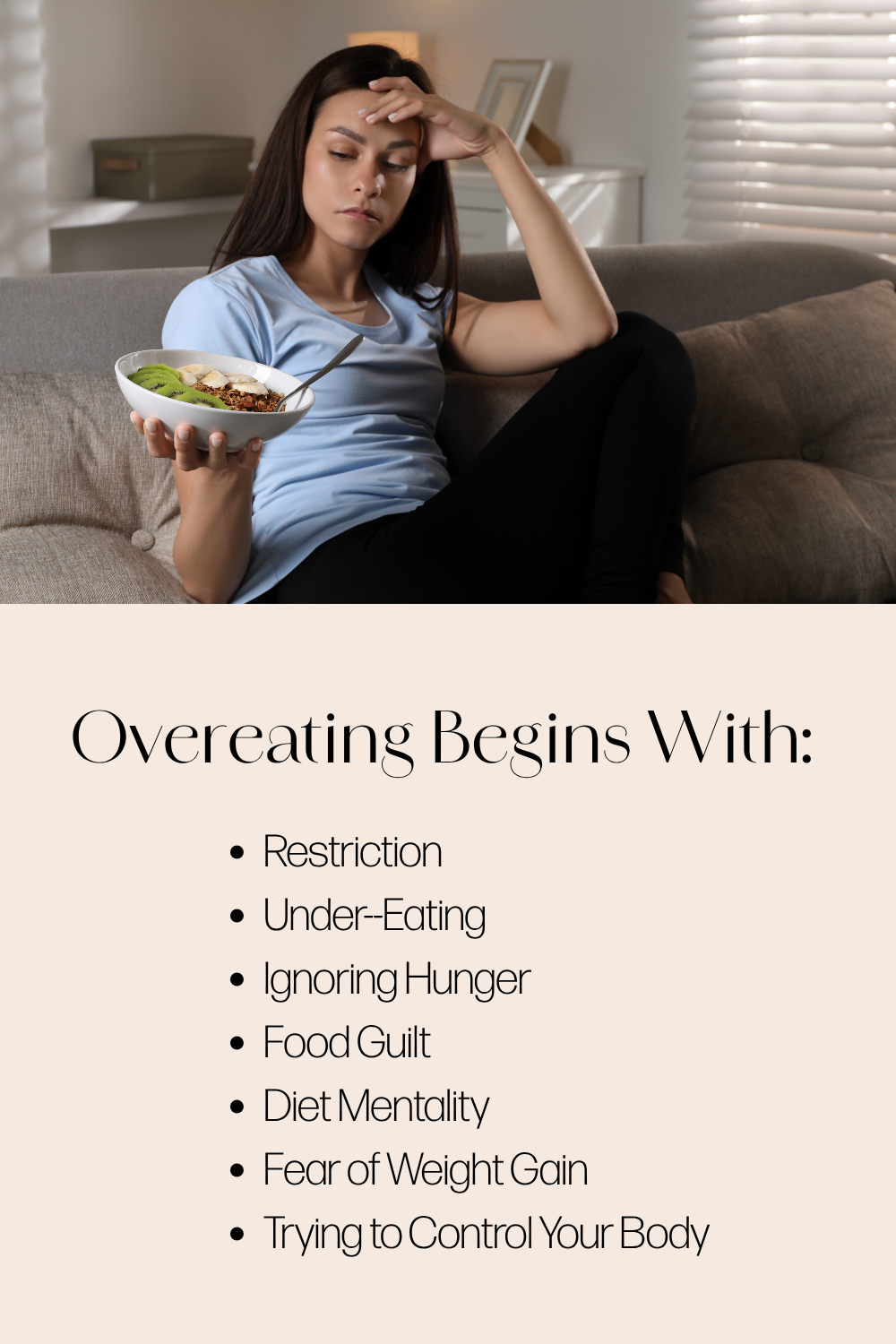
The real issue frequently begins much earlier in the day with:
- Restriction
- Under-eating
- Ignoring hunger
- Food guilt
- Diet mentality
- Fear of weight gain
- Chronic attempts to control your body
And can we just pause here for a second?
Because I know eating more during the day can feel terrifying if you’ve spent years believing smaller bodies equal greater worth.
But healing your relationship with food requires learning to trust your body again.
And sometimes that starts with breakfast.
“But Brittany…What If Eating More Makes Me Gain Weight?”
Ah yes. The fear underneath the fear.
This concern is so incredibly common among Christian women struggling with food anxiety and body image issues.
Because diet culture has convinced us that eating less equals holiness, discipline, success, or even morality.
But friend? Restriction is not righteousness.
Your worth was never meant to be measured by:
- your jean size,
- your calorie intake,
- your ability to avoid dessert,
- or whether you said “no” to bread at dinner.
God did not create your body to be in a constant state of punishment.
And while body changes can feel deeply vulnerable, chronic restriction often keeps women physically and mentally trapped in obsession around food and body image anyway.
Food freedom requires learning to nourish your body consistently — even when it feels uncomfortable at first.
Why Hunger and Fullness Cues Can Feel So Confusing
One of the biggest mistakes I see women make when beginning food freedom work is trying to immediately “eat intuitively” without first rebuilding consistent nourishment patterns.
Here’s why that can backfire:
If you’ve been restricting, bingeing, purging, or chronically dieting, your hunger and fullness cues may be highly dysregulated.
Which means:
- You may feel “full” after just a few bites
- You may not recognize hunger until it feels extreme
- You may swing between barely hungry and ravenous
That doesn’t mean your body is broken.
It means your body needs consistency.
Think of it like physical therapy after an injury.
At first, the movements feel uncomfortable. Awkward. Even frustrating.
But avoiding the healing process doesn’t restore function.
Similarly, rebuilding trust with food often requires eating consistently before your body fully trusts that nourishment is available again.
How to Start Breaking Free From the Restrict-Binge Cycle
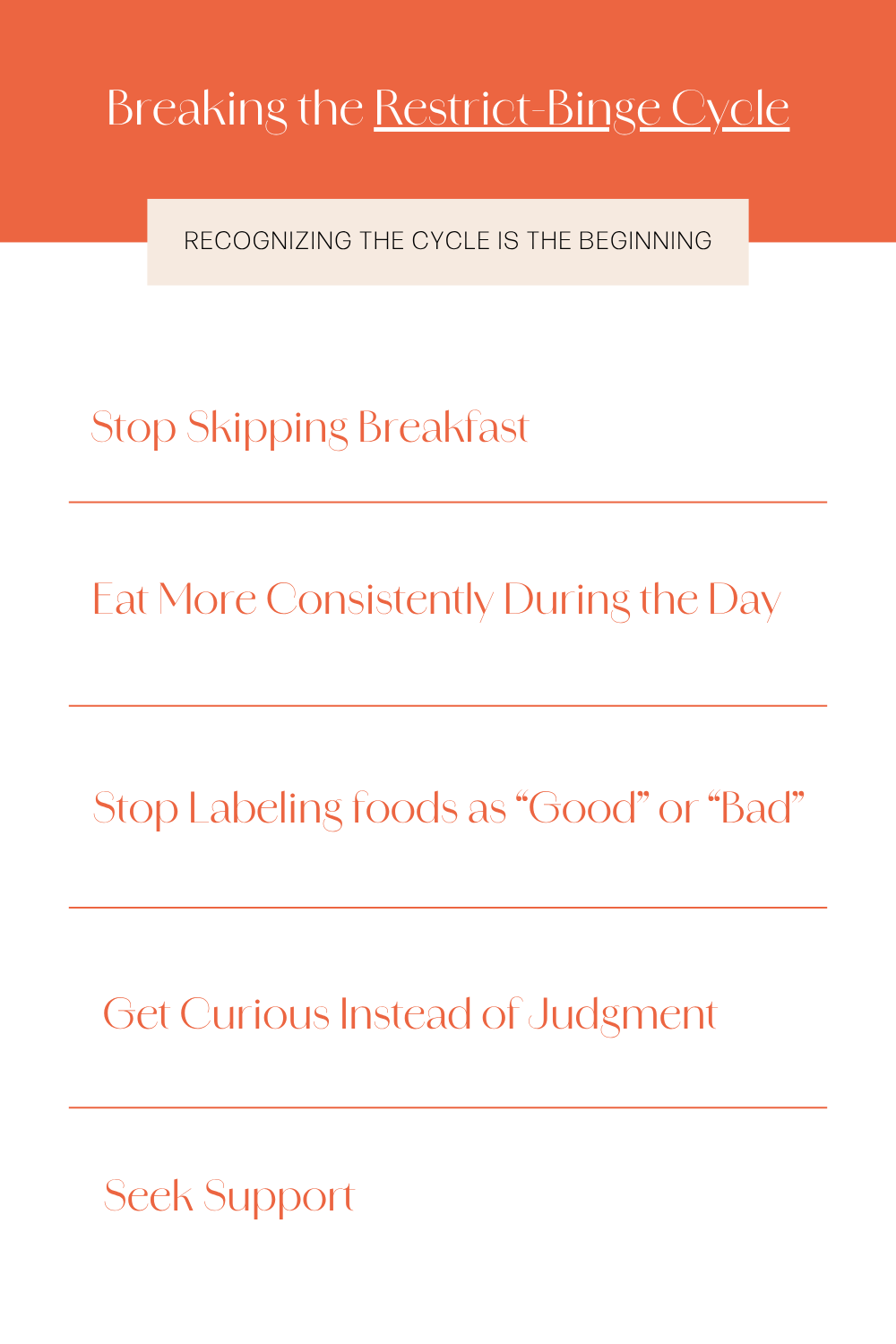
If you’re recognizing yourself in this cycle, here are a few gentle starting points:
1. Stop Skipping Breakfast
Even a simple, balanced breakfast can significantly reduce nighttime overeating tendencies.
No, coffee alone does not count, friend. 😉
2. Eat More Consistently Throughout the Day
Aim to avoid going long stretches without food.
Consistency helps regulate:
- blood sugar
- hunger hormones
- cravings
- energy levels
3. Stop Labeling Foods as “Good” or “Bad”
Moralizing food often intensifies guilt and overeating behaviors.
Food is not a spiritual report card.
4. Get Curious Instead of Judgment
Instead of:
“What’s wrong with me?”
Try:
“Was I adequately nourished today?”
That small shift changes everything.
5. Seek Support
Healing your relationship with food is hard work. And you do not have to do it alone.
Sometimes the most healing thing you can do is invite wise, compassionate support into the process.
A Christ-Centered Approach to Food Freedom
One of the reasons I’m so passionate about this work is because so many Christian women are silently suffering.
They love Jesus deeply.
They serve everyone around them faithfully.
They’re successful, capable, intelligent women.
And yet behind closed doors?
They’re obsessing over calories.
Body checking in mirrors.
Starting another diet on Monday.
Feeling ashamed after eating.
Spending hours thinking about food and their body.
Friend, that is exhausting.
And it’s not the freedom Christ died for you to experience.
True food freedom isn’t about “letting yourself go.”
It’s about letting go of the obsession.
It’s learning to steward your body with wisdom, nourishment, gentleness, and grace instead of fear and control.
You Don’t Need More Discipline. You May Need More Nourishment.
If this blog post felt a little too relatable…take a deep breath, friend.
You are not failing.
Your body is not broken.
And overcoming an anxiety-ridden relationship with food does not begin with more restriction.
It often begins with learning how to nourish yourself consistently again.
With compassion.
With support.
With wisdom.
And with Jesus at the center of it all.
Ready to Take the Next Step Toward Food Freedom?
If this conversation resonated deeply with you, here are a few ways to continue getting support:
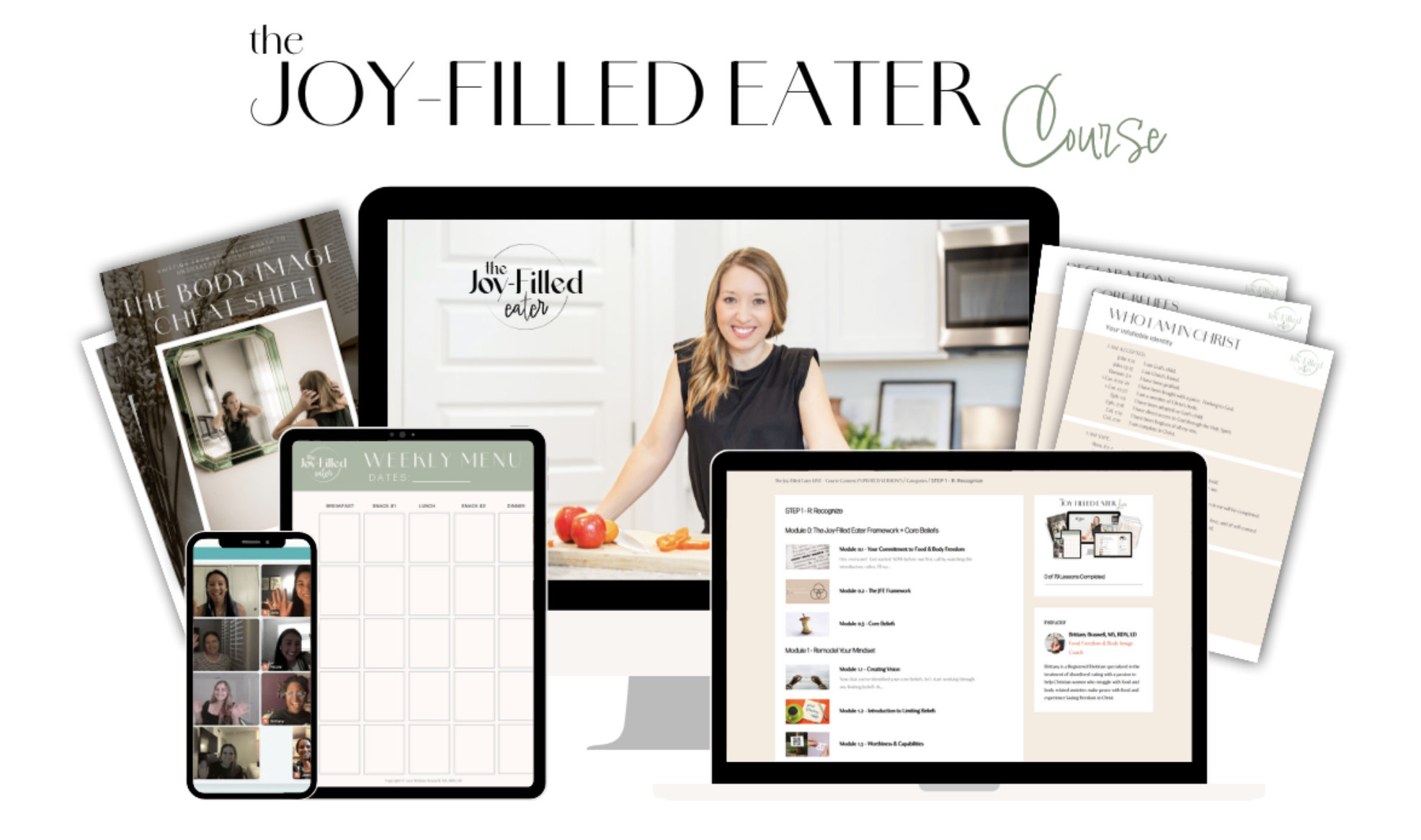
Join the Joy-Filled Eater Course
My signature program for Christian women who want a Christ-centered approach to food freedom and body image healing.
Join Our Free Facebook Community
Come connect with other Christian women walking through similar struggles in a supportive, grace-filled environment.
Join here for Food Freedom & Body Image Support for Christian Women
Subscribe to the Faith-Filled Food Freedom Podcast
New episodes every week covering:
- food freedom
- body image
- gentle nutrition
- faith
- disordered eating recovery
- practical encouragement for Christian women
And friend? Until next time…
Keep chasing joy and choosing freedom. 💛
Stay in touch by subscribing to my personal newsletter, The Full Plate Press
Join over 1000 others and get access to my weekly newsletter with a personal story, BTS sneak peaks, food freedom tips & strategies, riduculous memes, and BONUS goodies from me!
I'm Brittany!
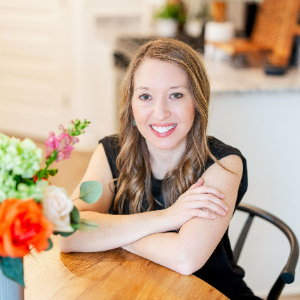
Brittany Braswell, MS, RDN, LD
Host of Faith-Filled Food Freedom & Creator of The Intern Accelerator
I'm here to help Christian women around the world overcome negative body image and an anxiety-ridden relationship with food so they can finally stop stressing and obsessing over how they look and what they eat.