The Hidden Ways Sleep Deprivation Fuels Emotional Eating
Let me paint a picture for you…
It’s 9:47 PM.
The house is finally quiet. The kids are in bed (or at least pretending to be). You sink into the couch, exhausted… but wired.
And suddenly, you’re in the pantry.
Not because you’re starving.
Not because you “planned” to eat.
But because something in you just needs… something.
Sound familiar?
Friend, if you’ve ever found yourself eating at night and thinking,
“Why do I keep doing this? Where is my self-control?!”
We need to have a gentle, truth-filled, freeing conversation.
Because what if I told you…
👉 It might not be a discipline problem.
👉 It might not be a willpower problem.
👉 It might not even be a “food” problem.
It might be… a sleep problem.
And not in the way you think.
Why Sleep Deprivation and Emotional Eating Are More Connected Than You Think
We love to separate things in neat little boxes:
- Sleep = health habit
- Food = nutrition
- Faith = spiritual life
But in reality, they’re all deeply intertwined.
In a recent episode of the Faith-Filled Food Freedom Podcast, I sat down with board certified sleep medicine physician, Dr. Benjamin Long, and whew… let’s just say, minds were blown.
Because sleep deprivation doesn’t just make you tired.
It changes your body, your brain, your emotions, and yes… your relationship with food.
And if you’re a busy, high-capacity woman juggling work, motherhood, marriage, and trying to “do it all right”…
This matters more than ever.
The Hormonal Truth: Sleep Deprivation Increases Cravings (It’s Not Just in Your Head)
Let’s break this down simply.
Your body has two key hormones that regulate hunger:
- Ghrelin → increases hunger (“your stomach is growling”)
- Leptin → signals fullness and satisfaction
When you’re well-rested, these hormones work in harmony.
But when you’re sleep deprived... 🥱
👉 Ghrelin goes up (you feel more hungry)
👉 Leptin gets disrupted (you feel less satisfied)
Cue:
- stronger cravings
- more frequent thoughts about food
- increased desire for quick energy (hello carbs + sugar)
And here’s the kicker…
Even ONE night of poor sleep can shift this balance.
Whaaaat?!
So no, it’s not random that the day after a rough night you’re craving:
- bread
- chips
- sweets
- all the cozy, comforting foods
Your body is literally trying to survive.
Why You Crave Carbs When You’re Tired (And It’s Not a Moral Failure)
Let’s go deeper for a second.
When you’re exhausted, your body is like: “Hey… we are running low on energy over here. SOS.”
And what’s the fastest form of energy?
👉 Carbohydrates.
So those late-night cravings are not you being “weak.” They’re your body being smart.
But here’s where things can spiral:
- You’re exhausted
- You crave quick energy
- You eat more carbs
- Blood sugar spikes and crashes
- Cravings intensify
- Cue guilt + shame
And suddenly you’re stuck in a cycle that feels impossible to break.
Not because you lack discipline…but because your body is dysregulated.
The Emotional Side of Sleep Deprivation: Why Everything Feels Harder
Let’s talk about something we don’t say out loud enough:
When you’re tired…
👉 your emotions are louder
👉 your stress tolerance is lower
👉 your decision-making is weaker
Dr. Long described it so well:
By the end of the day, you’ve already made a million decisions.
Your brain is tapped out.
So when a craving hits, it’s not just about food. It’s about capacity.
And when your capacity is low, everything feels harder.
Including:
- resisting urges
- honoring fullness
- making intentional choices
- speaking kindly to yourself
So if you’ve ever thought: “I was doing so well all day and then I ruined it at night…”
Let’s gently reframe that:
👉 You didn’t “ruin” anything. You ran out of capacity.
BIG difference.
The Sneaky Link Between Sleep Deprivation and the Binge-Restrict Cycle
If you’ve ever felt stuck in the binge-restrict cycle, listen closely.
Because sleep deprivation can quietly fuel both sides of that cycle.
When You’re Restricting:
- You’re already undernourished
- Sleep deprivation amplifies hunger hormones
- Cravings intensify
When You’re Binging:
- You’re exhausted
- Emotional regulation is low
- Food becomes comfort + quick relief
It’s like pouring gasoline on a fire you’re already trying to put out.
And yet, we rarely talk about sleep as part of the solution.
Oy vey. 🤦🏻♀️
“I Just Need More Discipline” — Or Do You?
Let’s have a little heart check moment.
How many times have you told yourself:
- “I just need more self-control”
- “I need to try harder”
- “I should be better at this by now”
Friend… can I lovingly call that out? That belief is keeping you stuck.
Because it assumes the problem is you.
When in reality, your body might just be exhausted.
And no amount of discipline can override a body that’s running on empty.
A Faith-Filled Perspective: What If Sleep Is a Gift (Not a Weakness)?
Okay, let’s shift gears for a second, because this is where things get really beautiful.
Dr. Long shared a passage that completely reframes how we see sleep:
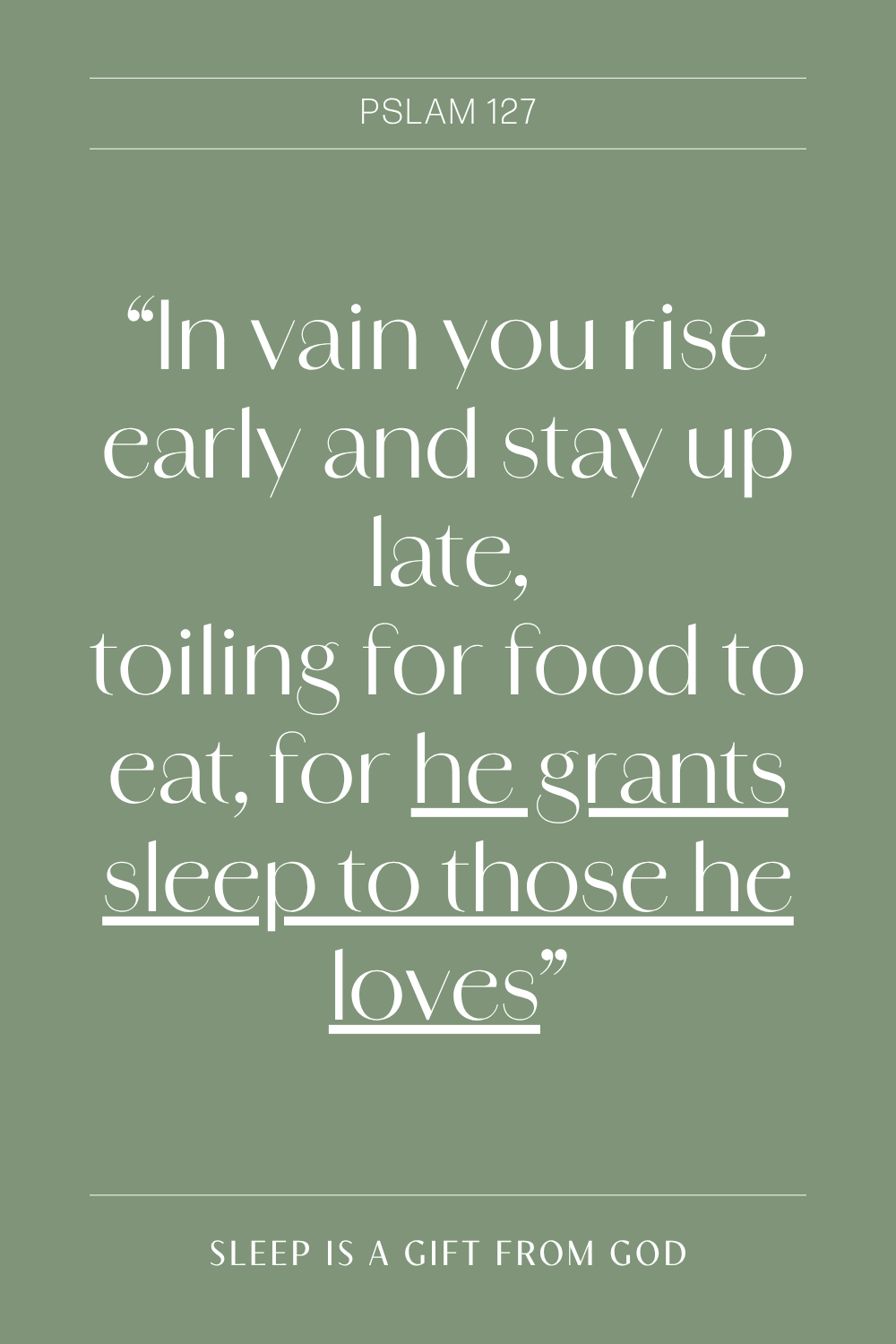
“He gives to His beloved sleep.” (Psalm 127)
Let that sink in.
 Sleep isn’t:
- laziness
- wasted time
- something you “earn” after doing enough
Sleep is a gift from God.
But here’s the tension…
We live in a culture that says:
👉 Be productive
👉 Stay busy
👉 Hustle harder
👉 Do more
And rest feels like falling behind.
But Scripture tells a different story.
It reminds us:
👉 You are not in control of everything
👉 You don’t have to hold it all together
👉 God is still working… even when you’re asleep
Whew.
Control, Trust, and Why Rest Feels So Hard
If you’re anything like the women I work with… you like to be in control.
Of your schedule.
Your food.
Your body.
Your outcomes.
And sleep...sleep requires surrender.
You can’t force it.
You can’t control it.
You can’t optimize it into perfection.
You have to… let go.
And that’s uncomfortable.
But what if that’s the invitation?
What if sleep is one of the most practical ways we practice trusting God?
Not just saying we trust Him…
But living like it.
Practical Steps to Improve Sleep (Without Perfectionism)
Alright, let’s get practical. Because I know you’re thinking:
“Okay Brittany, I get it… but HOW do I actually get more sleep with kids, work, and life?!”
First—deep breath.
We’re not aiming for perfect.
 We’re aiming for intentional.
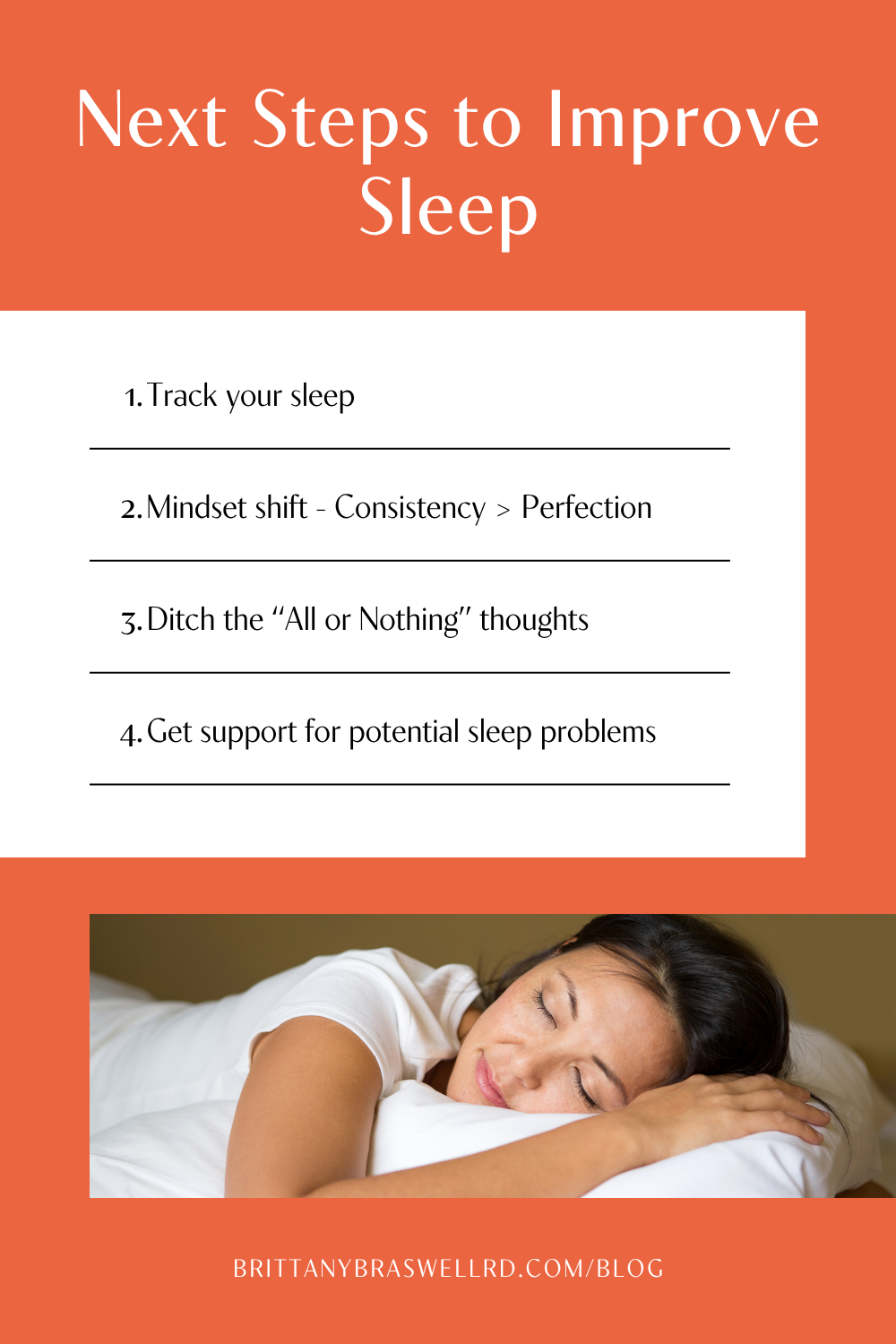
1. Track Your Sleep (Without Obsessing)
For about two weeks, simply notice:
- when you go to bed
- when you wake up
- how you feel
This helps you find your body’s natural rhythm.
Most adults need 7–9 hours, but your exact number is unique.
2. Focus on Consistency Over Perfection
Your body loves rhythm.
Going to bed and waking up at similar times helps regulate your internal clock.
Not perfectly.
But consistently.
3. Reduce the “All or Nothing” Mindset
A bad night of sleep doesn’t mean:
- the day is ruined
- your eating will be terrible
- you’ve failed
Remember: Your body is adaptive, not fragile.
4. Address the Real Barriers
Sometimes it’s not just “bad habits.”
It could be:
- insomnia
- anxiety
- sleep apnea
- life season (hello toddlers waking at 5 AM 🙃)
If sleep is a consistent struggle, getting support matters.
For the Sleepless Nights: A Perspective Shift That Changes Everything
This part is powerful.
Instead of viewing a sleepless night as:
👉 frustration
👉 failure
👉 something to fight against
What if you saw it as an invitation?
An invitation to:
- slow down
- pray
- be still
- connect with God in a quiet, uninterrupted moment
Not because sleeplessness is ideal, but because God meets you there.
Even in the middle of the night.
Even when you’re exhausted.
Even when nothing feels “productive.”
Let’s Bring It Home: What This Means for Your Food Freedom Journey
If you’re working toward food freedom…
You cannot ignore sleep.
Because:
- Sleep impacts your hormones
- Sleep impacts your cravings
- Sleep impacts your emotions
- Sleep impacts your thoughts about food and your body
So before you jump to, “I need a better meal plan,” pause and ask:
👉 Am I just… really tired?
Because sometimes the most powerful step toward food freedom isn’t: 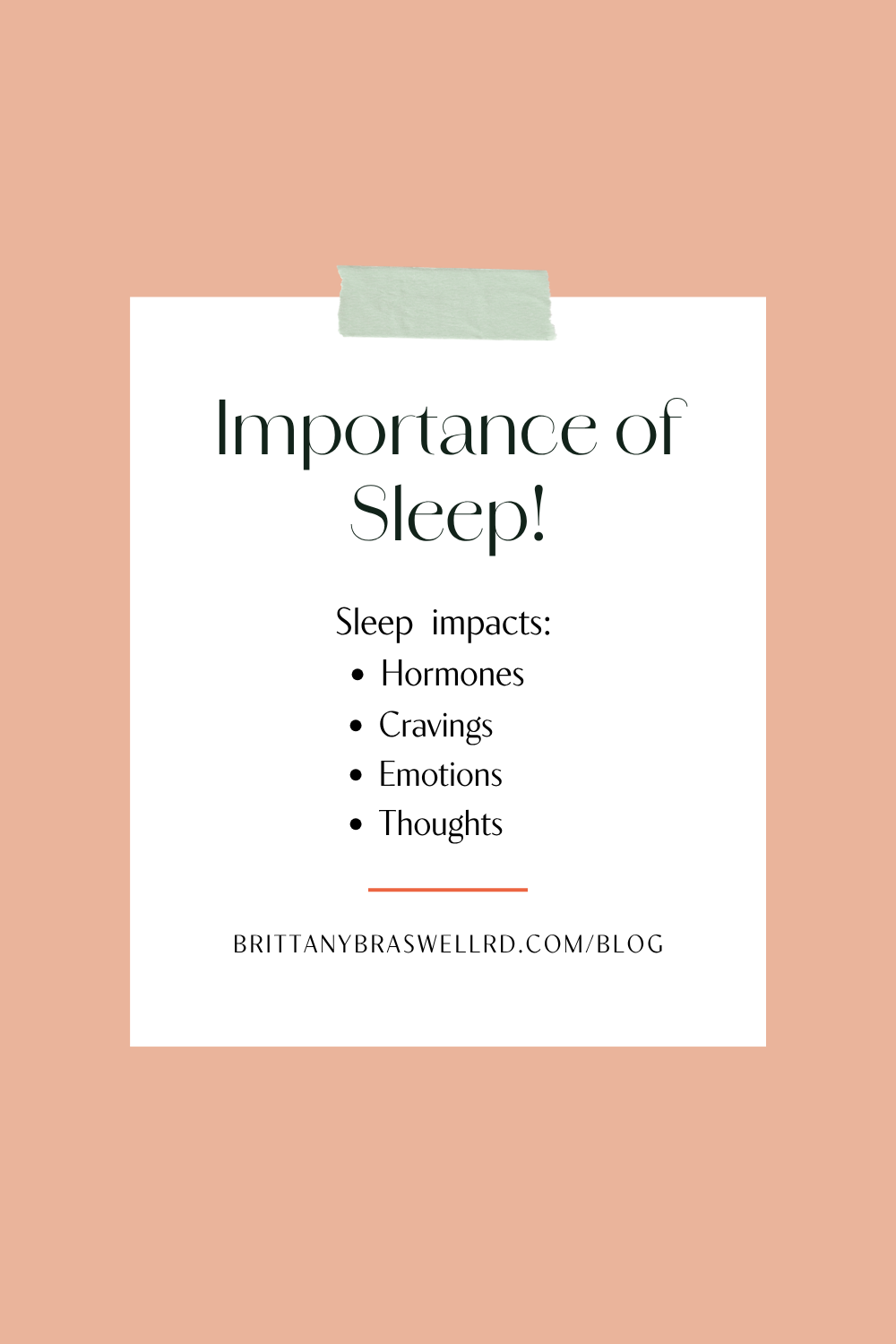
- eating less
- tracking more
- trying harder
It’s… going to bed.
Your Next Step (Let’s Do This Together 💛)
If this resonated with you, don’t just nod along and move on.
Take one small step today:
✨ Go to bed 20 minutes earlier
✨ Pay attention to your hunger after a rough night
✨ Replace self-criticism with curiosity
And if you want more support on this journey:
👉 Join our free community, Food Freedom & Body Image Support for Christian Women
And friend… if no one has told you this lately...
You don’t have to earn your rest.
You don’t have to hustle for your worth.
You don’t have to fight your body to fix it.
Sometimes the most faithful thing you can do is close your eyes and trust that God is still at work.
Even while you sleep. 💛
Stay in touch by subscribing to my personal newsletter, The Full Plate Press
Join over 1000 others and get access to my weekly newsletter with a personal story, BTS sneak peaks, food freedom tips & strategies, riduculous memes, and BONUS goodies from me!
I'm Brittany!
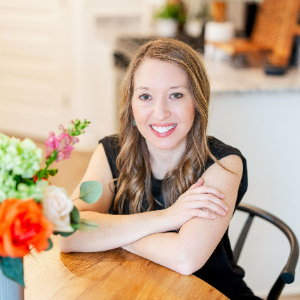
Brittany Braswell, MS, RDN, LD
Host of Faith-Filled Food Freedom & Creator of The Intern Accelerator
I'm here to help Christian women around the world overcome negative body image and an anxiety-ridden relationship with food so they can finally stop stressing and obsessing over how they look and what they eat.